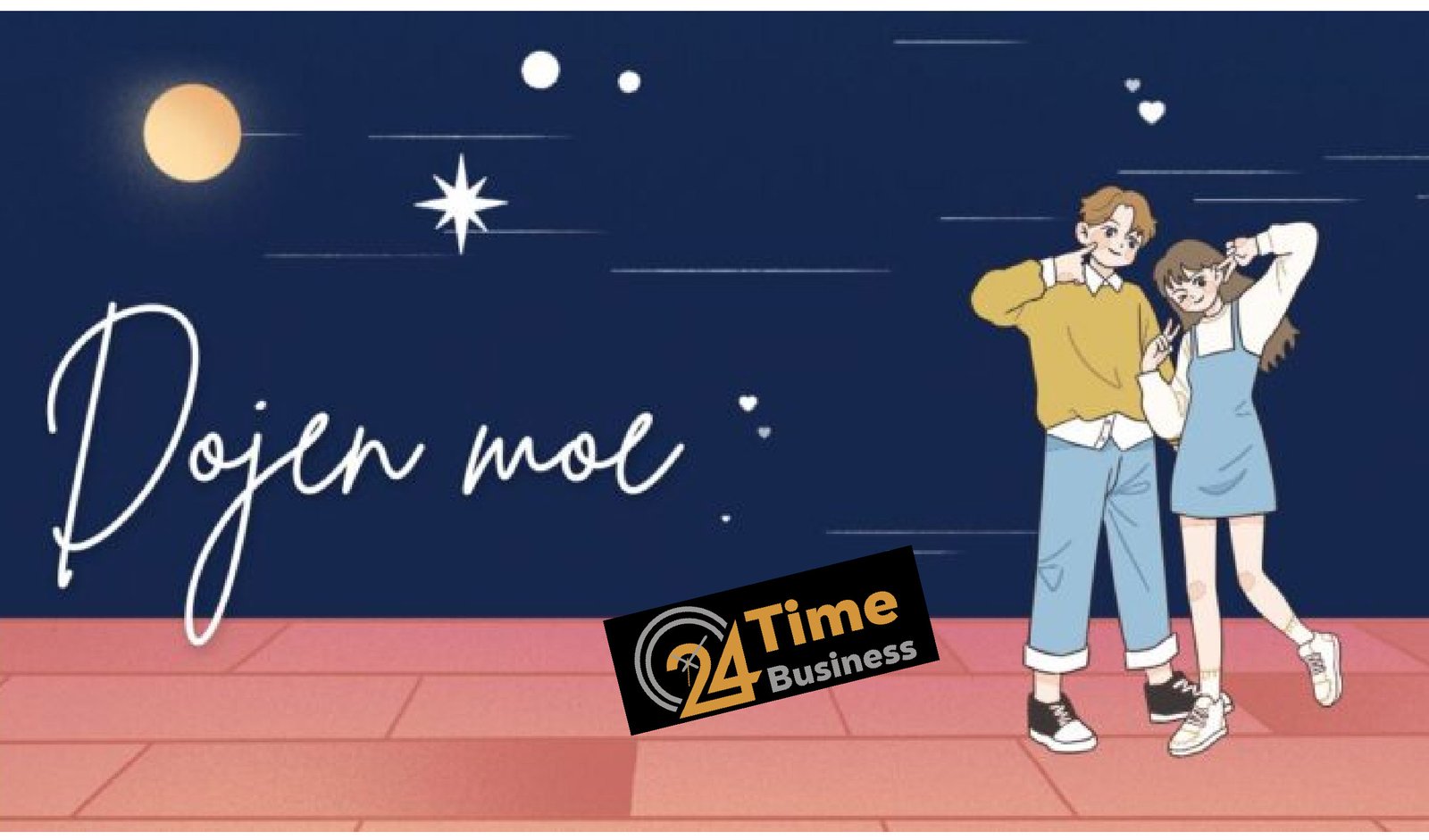
Dojen moe is a digital art and storytelling style that combines doujin, which means fan-made work, and moe, which means emotional affection toward characters. It focuses on soft visuals, emotional storytelling, and character-driven content. This style is commonly seen in fan art, webcomics, and social media illustrations. It represents a blend of independent creativity and emotional design. Dojen moe is especially popular in anime communities, digital art platforms, and online fandom culture, where creators share personal and expressive content.
Profile Bio: Dojen M
| Detail |
Information |
| Term Name |
Dojen Moe |
| Category |
Digital Art Style / Creative Concept |
| Origin |
Japan (Doujin Culture + Moe Concept) |
| Meaning |
Emotional, fan-driven art style focused on character affection |
| Core Elements |
Soft visuals, emotional storytelling, character focus |
| Related Terms |
Doujin, Moe, Kawaii, Anime Art |
| First Emergence |
Linked to doujin culture (1980s–2000s evolution) |
| Modern Growth |
Expanded globally through internet and social media |
| Common Use |
Fan art, webcomics, digital illustration |
| Platforms |
Pixiv, Instagram, TikTok, ArtStation |
| Audience |
Artists, anime fans, digital creators |
| Key Focus |
Emotional connection and soft aesthetic design |
| Popularity |
Trending globally in digital art communities |
| Style Type |
Character-driven, emotion-focused visual style |
| Tools Used |
Procreate, Clip Studio Paint, Photoshop |
Meaning of Dojen Moe
The meaning of dojen moe comes from two simple ideas. “Doujin” refers to self-published or fan-created content made by independent creators. “Moe” describes a feeling of emotional attachment or affection toward characters. When combined, dojen moe reflects emotional, fan-driven creative expression. It focuses on warmth, innocence, and relatable characters. This concept is used in art, storytelling, and digital content where the goal is to create a strong emotional connection with the audience.
Origins of Dojen Moe in Japanese Culture
Dojen moe is rooted in Japanese doujinshi culture, which is based on fan publishing and independent creative work. It developed alongside the growth of anime and manga fandom. Early fan conventions like Comiket played an important role in supporting this creative culture. Independent artist communities helped shape the style by sharing their work and ideas. Over time, this digital art movement expanded globally through the internet and digital platforms, reaching audiences beyond Japan.
Evolution of Dojen Moe in the Digital Era
Dojen moe has evolved from printed doujinshi into a digital-first creative style. Artists now share their work on online platforms instead of physical publications. Communities like Pixiv helped the style grow and gain recognition. Social media platforms such as Instagram, TikTok, and X allowed faster sharing and visibility. Digital drawing tools also made it easier for creators to produce high-quality art. This shift turned this unique art style into a global aesthetic used by artists worldwide.
Core Characteristics of Dojen Moe Art Style
The dojen moe art style is known for its soft and gentle appearance. It often uses pastel or low-saturation color palettes that create a calm feeling. Characters usually have large, expressive eyes and emotional faces. Lighting is soft, giving a dreamy atmosphere to the artwork. Shapes are rounded and smooth, making the design feel friendly and warm. The main focus is on emotion rather than realistic detail, which helps viewers connect with the characters.
Emotional and Storytelling Elements of Dojen Moe
Dojen moe focuses on small and meaningful moments rather than big action scenes. The themes often include comfort, friendship, and romance. It emphasizes emotional connection instead of fast-paced storytelling. Artists use subtle expressions and body language to show feelings. The storytelling is often created through atmosphere instead of heavy dialogue. This approach makes the content feel personal and easy to understand.
Dojen Moe vs Moe – Key Differences
Moe is mainly an emotional response or feeling that people have toward characters. Dojen moe, however, is a full artistic style and creative approach. Moe often uses specific character traits or tropes to create affection. In contrast, this creative art style focuses on the overall mood and storytelling. The emotional depth in this approach feels more natural and less structured. This makes it more flexible as a creative style.
Dojen Moe vs Kawaii and Anime Art Styles
Kawaii style focuses on simple and surface-level cuteness. Anime, on the other hand, includes many different styles and genres. Dojen moe is different because it emphasizes emotional warmth and connection. It combines soft visuals with deeper storytelling. Instead of exaggerating visuals, it prioritizes feelings and emotional experience. This makes it stand out from other styles.
Role of Fan Culture in Dojen Moe Growth
Fan culture plays a key role in the growth of dojen moe. Independent artists and fan communities drive this style forward. It allows creators to express ideas without commercial pressure. Online platforms provide space for collaboration and feedback. Fandom participation helps the style grow stronger over time. This connection between artists and audiences builds a supportive creative environment.
Dojen Moe in Digital Art and Illustration
Dojen moe is widely used in digital art and illustration. Artists create digital paintings and fan art using this style. It is also popular in webtoons and short comics. Platforms like Pixiv and ArtStation are common places where this content is shared. Tools such as Procreate and Clip Studio Paint help artists achieve the soft and emotional look. The main focus remains on visual storytelling through emotion.
Use of Dojen Moe in Webcomics and Storytelling
Dojen moe is commonly used in romance and slice-of-life webcomics. It helps build emotional character development over time. The vertical scroll format used in webtoons works well with this style. It allows creators to control the pacing of emotional scenes. This approach creates a strong connection between the reader and the story. The focus remains on personal and relatable experiences.
Why Dojen Moe Is Trending in 2025
Dojen moe is trending in 2025 because people are looking for emotional and comforting content. Short-form visual storytelling on platforms like TikTok and Reels supports this style. Digital art tools are now easier to use, allowing more creators to join. Global anime and fandom culture continues to grow. Audiences also prefer soft and authentic aesthetics, which makes this style more popular.
Social Media and Online Community Influence
Social media plays a major role in spreading dojen moe. Artists use hashtags and trends to gain visibility. Platforms allow instant sharing and feedback from audiences. Online communities support collaboration and creative growth. Discord servers and art networks help creators connect. Content spreads quickly across global audiences, increasing the style’s reach.
Dojen Moe in Modern Pop Culture
Dojen moe has influenced modern pop culture in many ways. It appears in character design for games and animation. It is also used in VTuber avatars and digital branding. The style is seen in stickers, emojis, and merchandise. Indie games and visual novels also use this aesthetic. Over time, it has expanded beyond fan art into commercial use.
Tools Used to Create Dojen Moe Art
Artists use several tools to create dojen moe art. Clip Studio Paint is popular for anime-style illustration. Procreate is widely used for mobile digital painting. Photoshop helps with editing and visual effects. Some creators use AI tools for support and concept ideas. 3D tools are also used for lighting and composition. These tools help artists achieve the soft and emotional style.
Common Mistakes in Dojen Moe Art
Some common mistakes can affect the quality of dojen moe art. Using overly bright or saturated colors can break the soft mood. Stiff or unnatural poses reduce emotional impact. Ignoring background atmosphere weakens the overall feeling. Harsh outlines can make the art look too sharp. Focusing only on design without emotion removes the core purpose of the style.
Criticism and Ethical Considerations
Dojen moe also faces some criticism and ethical discussions. There are concerns about character representation. Some people point out the overuse of similar designs. The use of AI in art has also created debate. Artists are encouraged to focus on originality and proper credit. Responsible creative practices help maintain a positive environment.
Future of Dojen Moe in Digital Culture
The future of dojen moe looks strong as digital culture continues to grow. It may expand into VR and immersive storytelling experiences. AI tools will likely become more integrated into the creative process. Global communities will continue to shape its evolution. The style may also influence mainstream media and design. It is expected to remain an important digital art movement.
Conclusion
Dojen moe blends emotion, creativity, and fan culture into one style. It focuses on soft visuals and meaningful storytelling. The style grows through digital platforms and global communities. It reflects modern trends in emotional content creation. Overall, dojen moe represents a shift toward authentic and expressive digital art.
FAQs About Dojen M
What does Dojen Moe mean?
Dojen moe refers to a digital art style that combines fan-made creativity with emotional character appeal.
Is Dojen Moe a type of anime style?
It is a specific aesthetic within anime-inspired digital art that focuses on emotion and softness.
Where is Dojen Moe commonly used?
It appears in fan art, webcomics, digital illustrations, and social media content.
Why is Dojen Moe popular?
It provides emotional comfort and helps people connect with characters and stories.
Can beginners create Dojen Moe art?
Yes, beginners can create it using simple digital tools and practice.
How is Dojen Moe different from moe?
Moe is a feeling, while dojen moe is a creative style that produces that feeling.
Is Dojen Moe used outside Japan?
Yes, it is used by artists and communities around the world.