Blog
What Is The Kellogg Innovation Network? A Complete Guide To KIN, TWIN & The Future of Innovation

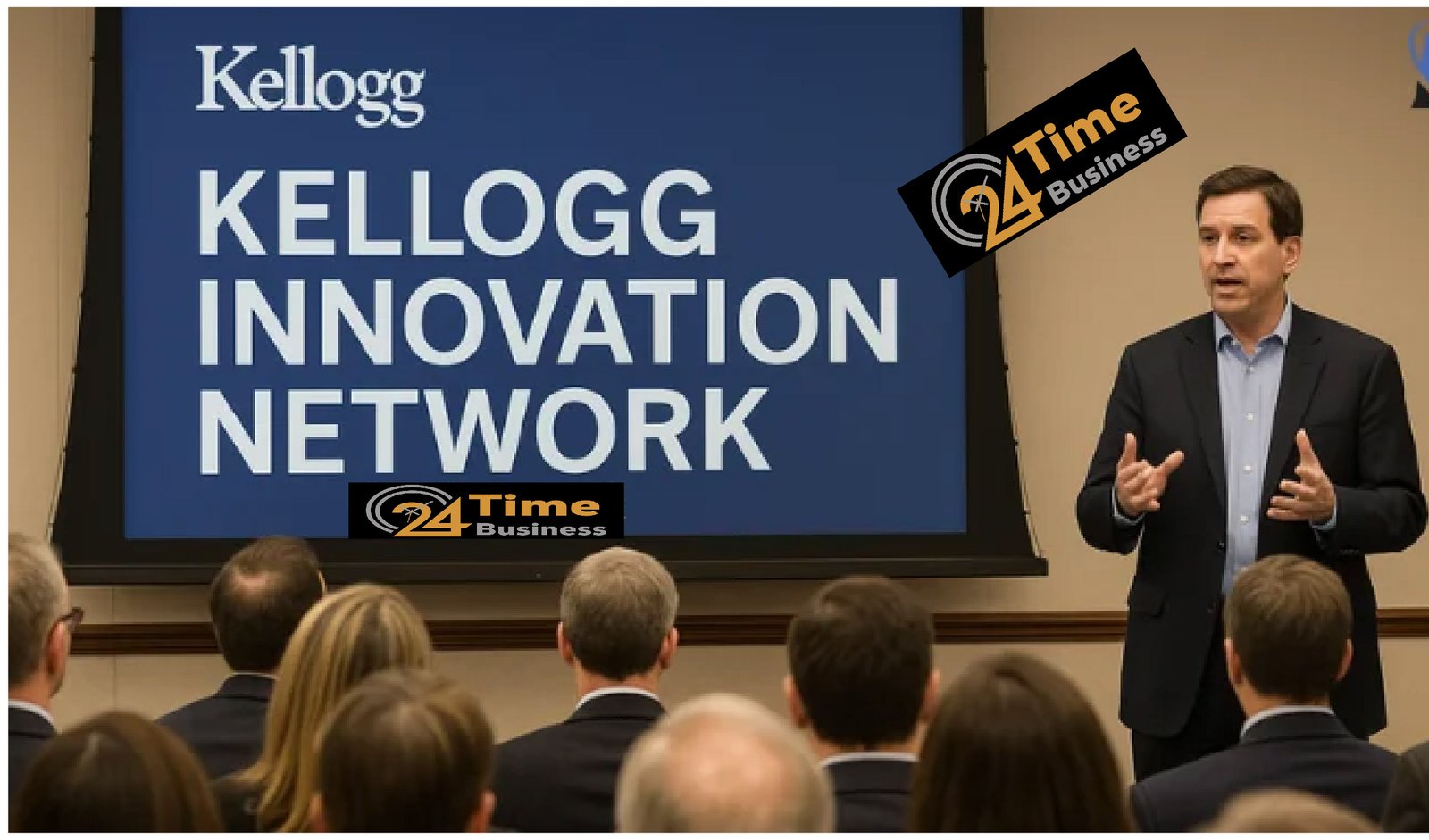
The Kellogg Innovation Network (KIN) is a global platform created by the Kellogg School of Management at Northwestern University in 2003. It brings together a diverse group of leaders from business, government, academia, and nonprofits to drive innovation through collaboration. KIN has evolved from a university-centered initiative to a global movement that inspires ethical, impactful innovation.
Why Innovation Networks Matter Today
In today’s fast-changing world, innovation is key to solving complex global challenges. Networks like KIN help people from different sectors and backgrounds come together to share knowledge, build partnerships, and create solutions that are sustainable and inclusive. In a time of digital transformation, climate change, and global uncertainty, the role of collaborative innovation is more important than ever.
Relevance for Global Leaders
Business leaders, entrepreneurs, researchers, and policymakers all benefit from being part of networks that promote forward-thinking and responsible growth. KIN provides a trusted environment for sharing experiences and testing ideas that can shape industries and improve lives.
What is the Kellogg Innovation Network (KIN)?
Definition and Purpose
The Kellogg Innovation Network is a community designed to inspire and enable innovation that creates real-world impact. It connects leaders who are committed to using innovation to solve social, economic, and environmental problems.
Founding and Early Vision
KIN was founded in 2003 by Professor Robert C. Wolcott at Northwestern University’s Kellogg School of Management. His goal was to create a space where innovation wasn’t just about business profits but about improving lives and societies. KIN began as a bold experiment that brought academics and business leaders together to turn ideas into action.
Core Philosophy
The core idea behind KIN is “innovation through collaboration.” It believes the best solutions come when people from different industries, cultures, and sectors work together.
From KIN to TWIN (The World Innovation Network)
As its influence grew, KIN transformed into The World Innovation Network (TWIN). TWIN continues KIN’s mission on a global scale, bringing together participants from around the world to collaborate on meaningful innovation.
Origins and Evolution
Historical Context
In the early 2000s, globalization and digital technology were changing the way the world did business. There was a need for a space where leaders could exchange ideas across traditional boundaries.
How KIN Started
KIN began with small forums focused on solving real problems. Early events attracted influential thinkers and practitioners who valued action over theory.
Key Milestones
- 2003: KIN founded at Northwestern
- 2005: First KIN Global Summit
- 2015+: Growing international partnerships and projects
- Today: Expanded into TWIN, with a global reach and digital presence
Mission, Vision, and Core Values
Mission
The mission of KIN is to foster responsible, human-centered innovation that improves society.
Vision
To create a more inclusive and sustainable world through collaborative innovation.
Core Values
- Collaboration: Innovation is strongest when ideas are shared
- Ethical Leadership: Innovation must be guided by integrity and responsibility
- Empathy: Understanding others leads to better solutions
- Long-Term Impact: Focus on sustainability over short-term gains
Organizational Structure and Leadership
Who Runs KIN?
KIN is led by a mix of Kellogg faculty, business executives, and global advisors.
Key Leadership Roles
- Founder: Prof. Robert C. Wolcott
- Senior Fellows: Thought leaders who guide the strategic direction
- Advisory Council: Experts from various fields
Leadership Style
KIN’s leadership style is inclusive and strategic. It focuses on listening, learning, and creating space for collaboration.
Key Programs and Initiatives
KIN Global / TWIN Global
What It Is
An annual summit that brings together top leaders from more than 40 countries to explore global innovation challenges.
Format
- Keynote speeches
- Workshops and interactive sessions
- Networking and collaboration spaces
Major Topics
- Ethics in tech
- Future of work
- Sustainability
- Artificial intelligence
Catalyst Projects
What They Are
Long-term innovation projects that unite businesses, governments, and academic institutions.
Notable Examples
- Mining Company of the Future: Helped reshape mining to be more sustainable and community-focused
- Health Equity and AI: Used AI to reduce health disparities in underserved populations
Outcomes
- Policy changes
- New technologies
- Community impact
Innovation Expeditions
What They Involve
Travel experiences to innovation hubs like Silicon Valley or Tel Aviv. Leaders meet local entrepreneurs and explore emerging tech ecosystems.
Benefits
- Learn from other cultures
- Discover new models of innovation
- Build global networks
d. Kellogg Alumni Network Involvement
Access Points
- Alumni Portal
- Job Board
- Mentorship Programs
Role
Keeps Kellogg graduates connected to KIN’s global innovation community and provides opportunities to lead new initiatives.
Research and Thought Leadership
Academic-Industry-Policy Integration
KIN bridges the gap between theory and practice, involving professors, executives, and policymakers.
Types of Contributions
- White papers
- Case studies
- Executive briefings
- Innovation frameworks
Real-World Application
KIN research informs decisions on topics like:
- AI governance
- Inclusive growth strategies
- Digital transformation models
Themes and Focus Areas
Key Areas of Innovation at KIN
- Artificial Intelligence (AI) and Digital Transformation
- Personalized Marketing and Customer Experience
- Predictive Supply Chains using big data
- Ethical Innovation and Responsible Technology
- Sustainability and Green Business Models
- Social Entrepreneurship
Success Stories and Real-World Impact
Notable Examples
- Mining Company of the Future: Developed community-first mining practices
- AI in Health Equity: Brought AI into underserved healthcare environments
- Mental Health in Corporations: Created frameworks for supporting workplace well-being
- Cross-border Education Partnerships: Helped create more inclusive, global learning programs
Industries Impacted
- Healthcare
- Energy
- Education
- Technology
- Public Sector
Collaboration Model and Global Reach
Multi-Sector Engagement
KIN involves:
- Corporations (innovation strategy)
- Academia (research)
- Nonprofits (community voice)
- Governments (policy impact)
Inclusive and Diverse
- Representation from 40+ countries
- Focus on women, minorities, and emerging markets
Embracing Digital Tools
- Virtual summits
- Hybrid workshops
- Global video roundtables
Challenges Faced and Lessons Learned
| Challenge | Response |
|---|---|
| Maintaining exclusivity while expanding reach | Added digital channels and alumni access |
| Turning insights into action | Built Catalyst Projects and follow-up labs |
| Diversity and inclusion | Launched global outreach and youth engagement |
How to Participate or Join
Invitation-Only Membership
Most participation is by invite, based on leadership experience and sector impact.
Alumni Access
Kellogg alumni can:
- Join via Alumni Portal
- Attend events
- Lead Catalyst Projects
Ways to Get Involved
- Contact Kellogg Alumni Office
- Attend public sessions at TWIN Global
- Collaborate on research or policy initiatives
Why the Kellogg Innovation Network Matters Today
Addressing Today’s Global Challenges
- Climate Change: Supports sustainable innovation
- AI and Ethics: Focuses on safe, inclusive technologies
- Leadership Crisis: Encourages empathy, purpose-driven leadership
Building a Better Future
KIN shows that real innovation happens when people work together across borders to solve meaningful problems.
Future Outlook
Emerging Focus Areas
- AI Ethics and Governance
- Digital Trust and Security
- Mental Well-being in Workplaces
- Decentralized Innovation Hubs in Global South
Goals for the Next Decade
- Train more ethical leaders
- Support underserved communities
- Expand digital and hybrid collaboration globally
Conclusion
The Kellogg Innovation Network is more than a think tank. It is a living, global platform that transforms ideas into action. With its roots in academia and its reach in every major sector, KIN continues to shape the future of innovation by focusing on collaboration, responsibility, and real-world impact.
For leaders, innovators, and change-makers, KIN offers not just a seat at the table—but a chance to build the table itself.
FAQs About Kellogg Innovation Network
1. What is the Kellogg Innovation Network?
The Kellogg Innovation Network (KIN) is a global collaboration platform founded by Northwestern University’s Kellogg School of Management to connect leaders from business, academia, government, and nonprofits. Its mission is to drive responsible, human-centered innovation through cross-sector dialogue and practical action.
2. What is the purpose of the Kellogg Innovation Network?
The purpose of KIN is to foster collaborative innovation that addresses global challenges. It brings experts together to share insights, launch strategic projects, and support ethical, sustainable solutions that benefit both organizations and society.
3. How does the Kellogg Innovation Network work?
KIN operates through global summits, catalyst projects, research collaborations, and innovation expeditions. These programs connect leaders, encourage knowledge sharing, and turn ideas into real-world initiatives that create measurable impact.
4. What is the difference between KIN and TWIN?
KIN is the original innovation network founded at Kellogg School of Management, while TWIN (The World Innovation Network) is its global evolution. TWIN expands KIN’s mission worldwide, involving more countries, industries, and cross-sector collaborations.
5. Who can join the Kellogg Innovation Network?
Membership in KIN is invitation-only, typically extended to senior leaders, innovators, researchers, and policymakers. However, Kellogg alumni and partnering organizations may participate through official programs, events, and collaborative projects.
People See More: Jeroen Dik: The Tuning Yoda Behind JD Engineering And The Future of Automotive Performance

Who Is Tiffany Jonny Faatz? Name Origin And Surname History Explained

Don Baskin Net Worth Update: The Story Behind His Growing Wealth

Who Is Joanna Sterling Miller? Donald Sterling’s Daughter Explained

Roger Nores’ Role In Liam Payne’s Death: What You Need To Know

Who Is Otelia Cox? The Private Life Of Tony Cox’s Long-Time Partner

Who Is Ralph Macfadyen? The Model Son Of Matthew Macfadyen And Keeley Hawes Explained

Who Is Damian Schnabel? Inside The Life, Career, And Net Worth Of Amanda Redman’s Husband

James Corden’s $70 Million Net Worth Explained: TV Success, Carpool Karaoke & Investments

Sucker Punch: A Deep Dive Into Zack Snyder’s Visually Stunning Fantasy

Fin Affleck: The Teen Who Embraced Identity, Style, And Family Support

Who Is Dora Zbierlund? The Untold Story of Jeffrey Tambor’s Ex-Wife and 1980s TV Actress

Who Is Jonathan Tham? The Two Doctors Making A Difference Beyond Fame

Dounne Alexander: The Inspiring Herbalist Who Transformed Britain’s Natural Health Movement

Guy Willison Biography (2025): Age, Wife, Illness Update, Net Worth & Motorcycle Legacy

Meet Spencer McMillan: Life, Family, Art & Legacy Of Robbie Coltrane’s Eldest Child

Who Is Natasha Haye? Inside Her Marriage, 30-Second Divorce & Life After David Haye

Claire Le Marquand: Visionary Designer & Wife Of Mike Skinner

Marie Fargus: Her Life, Tragic Death & The True Story Behind The Victoria Tribute

Mungo Denison: The Private Life, Career, And Love Story Of Charlotte Bellamy’s Husband

What Is eTarget Limited? Why Its Name Appears On Royal Mail Parcels Explained
-
 Celebrity4 months ago
Who Is Dora Zbierlund? The Untold Story of Jeffrey Tambor’s Ex-Wife and 1980s TV Actress
-
 Biography4 months ago
Who Is Jonathan Tham? The Two Doctors Making A Difference Beyond Fame
-
 Celebrity4 months ago
Dounne Alexander: The Inspiring Herbalist Who Transformed Britain’s Natural Health Movement
-
 Celebrity3 months ago
Guy Willison Biography (2025): Age, Wife, Illness Update, Net Worth & Motorcycle Legacy