Business
French Institute of Scotland: A Cultural Bridge Between France And Scotland

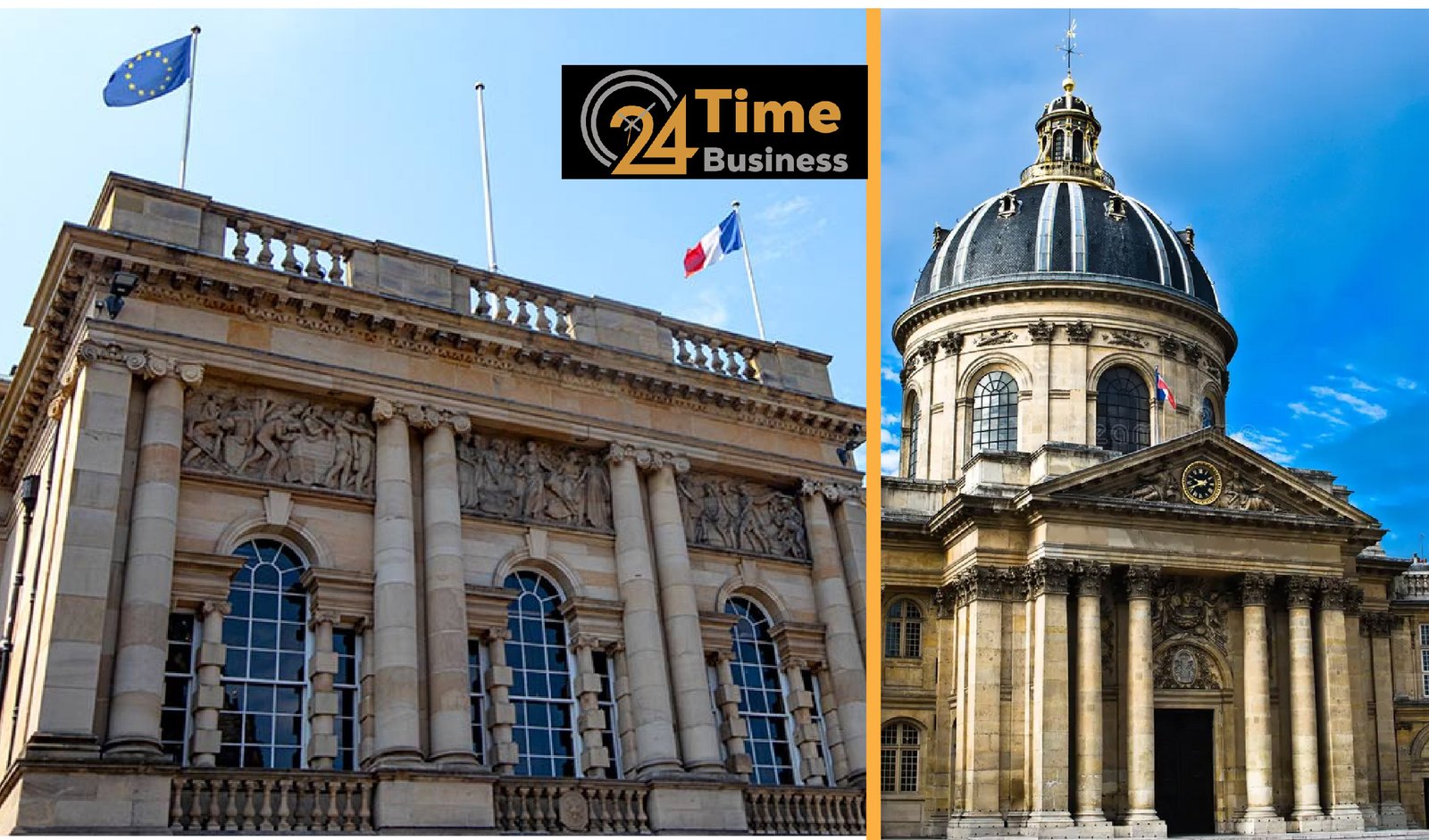
The French Institute of Scotland in Edinburgh, officially known as Institut français d’Écosse, stands as a beacon of cultural exchange and education between France and Scotland. Founded in 1946, it serves as the Scottish branch of the French Embassy in the United Kingdom, embodying the French Republic’s long-standing dedication to cultural diplomacy. Located in Parliament Square, just off Edinburgh’s Royal Mile, this esteemed institution blends the charm of historic architecture with the energy of modern creativity. Over the decades, it has evolved into a space of creativity, learning, and diplomacy, offering language courses, art exhibitions, and cultural events that bring the French spirit to Scotland’s capital.
Beyond teaching French, the Institute functions as a cultural hub, fostering understanding, artistic collaboration, and friendship between the two nations — a living continuation of the historic Auld Alliance.
Bio Details: French Institute Of Scotland
| Attribute | Details |
|---|---|
| Official Name | Institut français d’Écosse (French Institute of Scotland) |
| Founded | 1946 |
| Affiliation | Official cultural and educational branch of the French Embassy in the United Kingdom |
| Location | W Parliament Square, Edinburgh EH1 1RN, Scotland, United Kingdom |
| Building | Historic Lothian Chambers (former Midlothian County Chambers, built 1816–1904) |
| Director | Appointed by the French Ministry for Europe and Foreign Affairs (current director varies by term) |
| Primary Functions | Language school, cultural centre, art and performance venue, and educational exchange hub |
| Facilities | 70–100 seat theatre, art gallery, multimedia library (20,000+ works), café, classrooms, online e-library (Culturethèque) |
| Accessibility | Wheelchair accessible, step-free entrance, onsite and online classes |
| Language Courses | Over 150 classes per year, around 1,500 students, 15 qualified teachers |
| Cultural Programs | Weekly film screenings, exhibitions, concerts, theatre, and festivals such as Vive La Fringe and Francophonie events |
| Average Google Rating | ⭐ 4.5 / 5 (based on 50+ reviews) |
| Website | www.ifecosse.org.uk |
| info@ifecosse.org.uk | |
| Opening Hours | Monday–Saturday (9 AM – 6 PM approx.; check website for event-specific hours) |
| Specialties | French language education, cultural exchange, community programs, and arts collaboration |
History and Evolution of the French Institute of Scotland
Origins and Foundation (1946–2017)
The Institut français d’Écosse was established shortly after World War II, during a time when Europe sought to rebuild connections through culture and education. Founded in 1946, it was part of a broader effort by the French government to promote its language and culture around the world. Originally located at Randolph Crescent in Edinburgh’s West End, the Institute operated from elegant Georgian townhouses. It quickly became a centre for language learning, literature, and cultural dialogue, offering French courses, film screenings, and art exhibitions. As part of France’s global network of Instituts Français, it contributed to strengthening diplomatic, academic, and artistic ties between France and Scotland.
The Move to Parliament Square (2017–Present)
In 2017, the Institute entered a new chapter by relocating to Lothian Chambers at W Parliament Square, next to St Giles’ Cathedral. This move, secured through a 125-year lease, aimed to make the Institute more accessible, visible, and central within Edinburgh’s cultural life. The relocation was not political but practical — focusing on the Institute’s goal to reach wider audiences. The new building, originally the Midlothian County Chambers, was constructed between 1816 and 1904. Its transformation into a modern cultural space reflects a harmonious blend of heritage and innovation. This move also symbolized a renewal of the Auld Alliance, the centuries-old friendship between France and Scotland. Today, the building proudly flies the French tricolour, standing as a symbol of enduring cultural connection between the two nations.
Architecture and Facilities
The French Institute of Scotland occupies one of Edinburgh’s most beautiful civic buildings — the historic Lothian Chambers. Once used as a registry office and council building, it has been thoughtfully repurposed to serve both educational and cultural functions. Inside, the Institute seamlessly blends historic architecture with modern design, creating a warm and inviting atmosphere.
Main Facilities Include:
-
Theatre/Auditorium (70–100 seats):
A state-of-the-art performance space used for film screenings, theatre productions, concerts, and talks. -
Art Gallery:
A modern exhibition area hosting photography, visual art, and multimedia installations by French, Scottish, and international artists. -
French Café and Social Space:
A charming café within the building where visitors can enjoy authentic French cuisine, coffee, and pastries while soaking up the Parisian ambiance. -
Multimedia Library:
A well-stocked library housing over 20,000 works of French literature, cinema, and art. It also provides digital access through Culturethèque, an online e-library for students and members. -
Language Classrooms:
Equipped with smartboards and digital learning technology, these modern classrooms support both in-person and online French courses. -
Accessibility:
The building features step-free access, elevators, and wheelchair-friendly facilities, making it inclusive and accessible for all.
This combination of historical beauty and modern functionality makes the Institute one of the most welcoming cultural spaces in Scotland.
Mission and Core Objectives
The Institut français d’Écosse operates under four main objectives that align with France’s global cultural mission:
-
Promote the French language:
By providing high-quality French courses for individuals, schools, and businesses, the Institute fosters a love of the French language across all levels. -
Showcase French culture in Scotland:
Through film festivals, art exhibitions, concerts, and theatre performances, it brings the richness of French culture to Scottish audiences. -
Encourage cross-cultural exchange:
The Institute collaborates with Scottish organisations to host joint events, promote dialogue, and build cultural bridges between the two nations. -
Foster educational cooperation:
Working with universities and educational bodies, it supports teacher exchanges, bilingual programs, and shared research projects.
These objectives make the Institute both a centre of learning and a symbol of friendship — promoting la langue française and cultural harmony in equal measure.
French Language Centre — Learning the Language of Culture
Courses and Structure
The French Language Centre is one of the most respected in the UK, offering more than 150 classes per year and serving around 1,500 students. Courses are open to adults, children, and corporate learners, with flexible schedules for different levels — from A1 (beginner) to C2 (proficient) under the CEFR framework. Whether for travel, study, or business, the Institute’s courses are designed to make learning French practical and enjoyable.
Teaching Approach and Resources
The teaching staff includes 15 native French-speaking instructors, all highly qualified and passionate about education. Their approach focuses on interactive, real-world communication, encouraging students to speak and think in French from the start. Students benefit from access to Culturethèque, an online e-library filled with French e-books, magazines, and videos, as well as the Institute’s multimedia library. Lessons can be attended onsite or online, making it easy for learners across Scotland to participate.
Student Experience
Students often describe the Institute as “a warm, professional environment that makes learning French enjoyable.” The combination of small class sizes, engaging lessons, and cultural immersion creates a truly inspiring experience. In addition to language study, students can join conversation cafés, film clubs, and reading circles, further connecting with French culture in a relaxed setting.
Cultural Events and Artistic Programming
Regular Cultural Events
The French Institute of Scotland hosts a vibrant calendar of cultural events throughout the year. Regular activities include:
-
Weekly film screenings of French and Francophone cinema.
-
Art exhibitions showcasing contemporary and classical works.
-
Live performances, including music, theatre, and dance.
Annual highlights include the Harpsichord Festival, Vive La Fringe (during the Edinburgh Festival), and celebrations of the Francophonie, which honor French-speaking cultures worldwide.
Collaborations and Partnerships
The Institute collaborates with major Scottish and international institutions, including:
-
Edinburgh International Festival
-
RSA Scotland
-
University of Edinburgh
-
Scottish National Galleries
These partnerships promote joint projects in education, sustainability, innovation, and the arts, enriching Scotland’s cultural landscape.
French Café and Social Hub
Inside the Institute, the French café acts as both a cultural and social hub. Adorned with French art and a cozy ambiance, it is a gathering place for students, artists, and visitors to connect over coffee, croissants, and conversation — capturing a little piece of Paris in Edinburgh.
Educational and Cultural Exchange Between France and Scotland
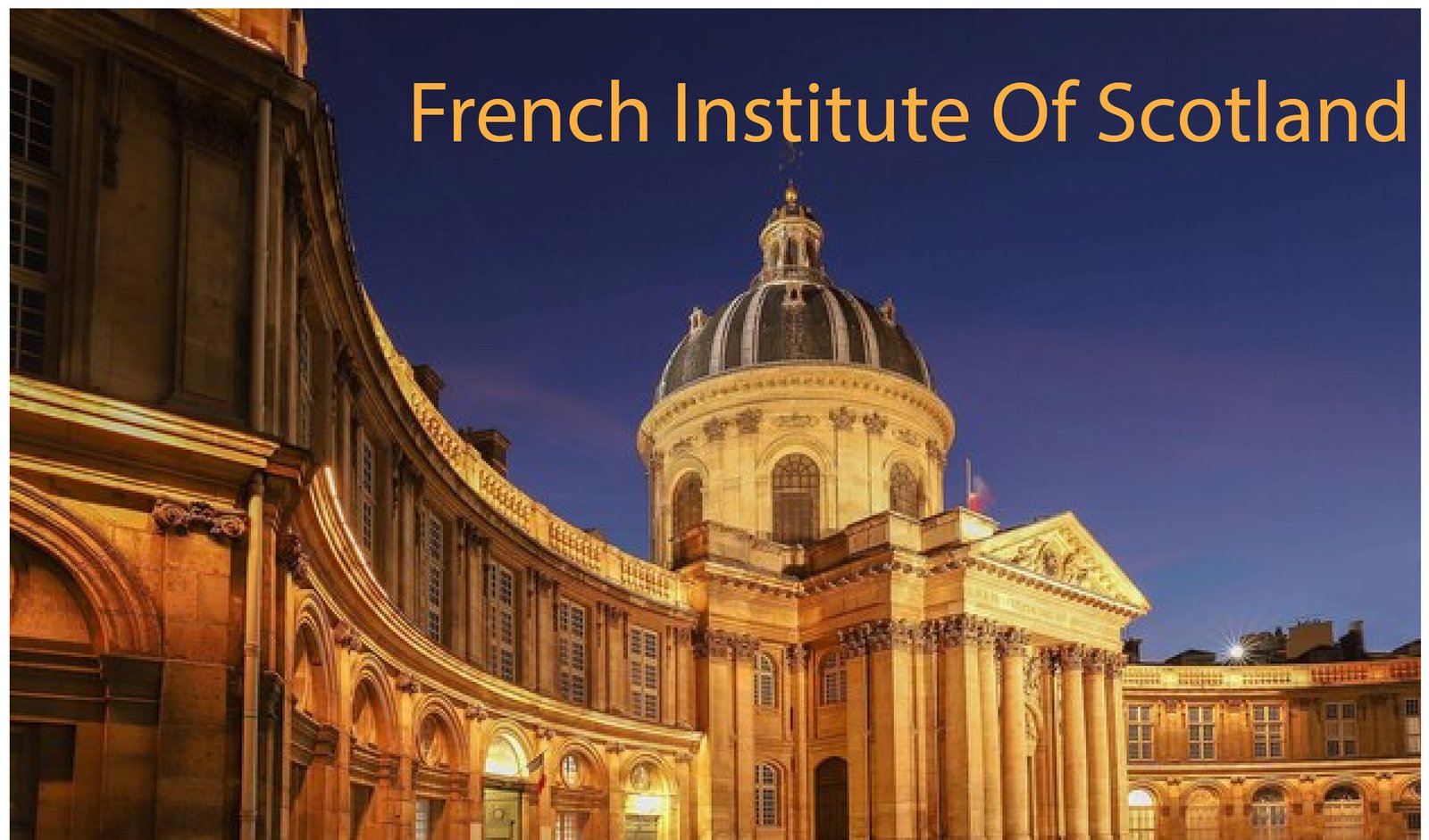
The Institute actively supports educational and cultural exchange programmes between France and Scotland. It coordinates academic collaborations, student mobility schemes, and teacher training workshops. A notable example is the bilateral education agreement between the French and Scottish ministries, promoting pedagogical innovation and shared learning. University partnerships, bilingual school projects, and cultural internships further strengthen the bond between the two nations — ensuring that education remains a key driver of the Auld Alliance in the 21st century.
Accessibility, Inclusivity, and Community Impact
Inclusivity is central to the Institute’s mission. The French Institute of Scotland ensures accessibility for everyone through:
-
Step-free access and wheelchair-friendly entrances.
-
Online and hybrid classes for learners across different regions.
-
Affordable pricing and community initiatives to make learning accessible.
It also collaborates with community groups and charities to promote equality in education and cultural participation, ensuring that language and culture remain open to all.
Reviews and Public Perception
With a 4.5/5 Google rating from over 50 reviews, the Institute enjoys an excellent public reputation.
Visitors consistently praise:
-
The friendly, professional staff.
-
Experienced teachers who make learning engaging.
-
The peaceful library, often described as a “heaven of calm” during the busy Edinburgh Fringe.
Many reviewers highlight the Institute’s authentic French ambiance, calling it a “hidden gem in the heart of the city.” The combination of academic excellence and cultural immersion continues to attract both locals and international visitors.
Future Outlook and Upcoming Initiatives
Looking forward, the French Institute of Scotland aims to expand its digital learning platforms and make hybrid French education accessible throughout the UK. It plans to host more international film festivals, art residencies, and literary discussions that showcase new voices from the French-speaking world. Strengthening ties between Scottish and French universities, nurturing young talent, and promoting sustainability in culture are also part of its vision for the future.
Conclusion
For nearly eight decades, the French Institute of Scotland has stood as a symbol of cultural friendship, education, and creativity. From its early beginnings in Randolph Crescent to its current home in Parliament Square, it continues to inspire generations of learners and artists.
More than a school, it is a living bridge — a place where language meets art, and where two nations share ideas, values, and dreams.
FAQs — French Institute of Scotland
1. What is the French Institute of Scotland?
The French Institute of Scotland (Institut français d’Écosse) is the official cultural and educational branch of the French Embassy in the United Kingdom, located in Edinburgh’s Parliament Square. Founded in 1946, it promotes the French language, culture, and cross-cultural exchange through classes, events, and art exhibitions.
2. What courses are offered at the French Institute of Scotland?
The Institute offers French language courses for adults, children, and professionals, from beginner to advanced levels (A1–C2). Classes include general French, business French, and exam preparation, taught by qualified native-speaking teachers. Students can learn onsite or online, supported by the Culturethèque e-library.
3. What facilities does the French Institute of Scotland have?
The Institute features a 100-seat theatre, art gallery, multimedia library with over 20,000 French works, French café, and modern classrooms with digital learning tools. It also has step-free access and is wheelchair friendly, ensuring inclusivity for all visitors.
4. What cultural events take place at the French Institute of Scotland?
The Institute hosts a rich calendar of French cultural events, including film screenings, art exhibitions, concerts, and theatre performances. Annual highlights include the Harpsichord Festival, Vive La Fringe during the Edinburgh Festival, and Francophonie celebrations showcasing global French-speaking cultures.
5. How can I contact or visit the French Institute of Scotland?
The French Institute of Scotland is located at W Parliament Square, Edinburgh EH1 1RN.
It’s open Monday to Saturday, offering classes, exhibitions, and cultural events throughout the year.
People See More: Nick Dougherty And Selena Oliver Relationship: A Love Story of Renewal, Balance, And Growth


Who Is Tiffany Jonny Faatz? Name Origin And Surname History Explained

Don Baskin Net Worth Update: The Story Behind His Growing Wealth

Who Is Joanna Sterling Miller? Donald Sterling’s Daughter Explained

Roger Nores’ Role In Liam Payne’s Death: What You Need To Know

Who Is Otelia Cox? The Private Life Of Tony Cox’s Long-Time Partner

Who Is Ralph Macfadyen? The Model Son Of Matthew Macfadyen And Keeley Hawes Explained

Who Is Damian Schnabel? Inside The Life, Career, And Net Worth Of Amanda Redman’s Husband

James Corden’s $70 Million Net Worth Explained: TV Success, Carpool Karaoke & Investments

Sucker Punch: A Deep Dive Into Zack Snyder’s Visually Stunning Fantasy

Fin Affleck: The Teen Who Embraced Identity, Style, And Family Support

Who Is Dora Zbierlund? The Untold Story of Jeffrey Tambor’s Ex-Wife and 1980s TV Actress

Who Is Jonathan Tham? The Two Doctors Making A Difference Beyond Fame

Dounne Alexander: The Inspiring Herbalist Who Transformed Britain’s Natural Health Movement

Guy Willison Biography (2025): Age, Wife, Illness Update, Net Worth & Motorcycle Legacy

Meet Spencer McMillan: Life, Family, Art & Legacy Of Robbie Coltrane’s Eldest Child

Who Is Natasha Haye? Inside Her Marriage, 30-Second Divorce & Life After David Haye

Claire Le Marquand: Visionary Designer & Wife Of Mike Skinner

Marie Fargus: Her Life, Tragic Death & The True Story Behind The Victoria Tribute

What Is eTarget Limited? Why Its Name Appears On Royal Mail Parcels Explained

Mungo Denison: The Private Life, Career, And Love Story Of Charlotte Bellamy’s Husband
-
 Celebrity4 months ago
Who Is Dora Zbierlund? The Untold Story of Jeffrey Tambor’s Ex-Wife and 1980s TV Actress
-
 Biography4 months ago
Who Is Jonathan Tham? The Two Doctors Making A Difference Beyond Fame
-
 Celebrity4 months ago
Dounne Alexander: The Inspiring Herbalist Who Transformed Britain’s Natural Health Movement
-
 Celebrity3 months ago
Guy Willison Biography (2025): Age, Wife, Illness Update, Net Worth & Motorcycle Legacy