
Blog
Piragnia Meaning Explained: The Real Truth Behind This Common Piranha Misspelling

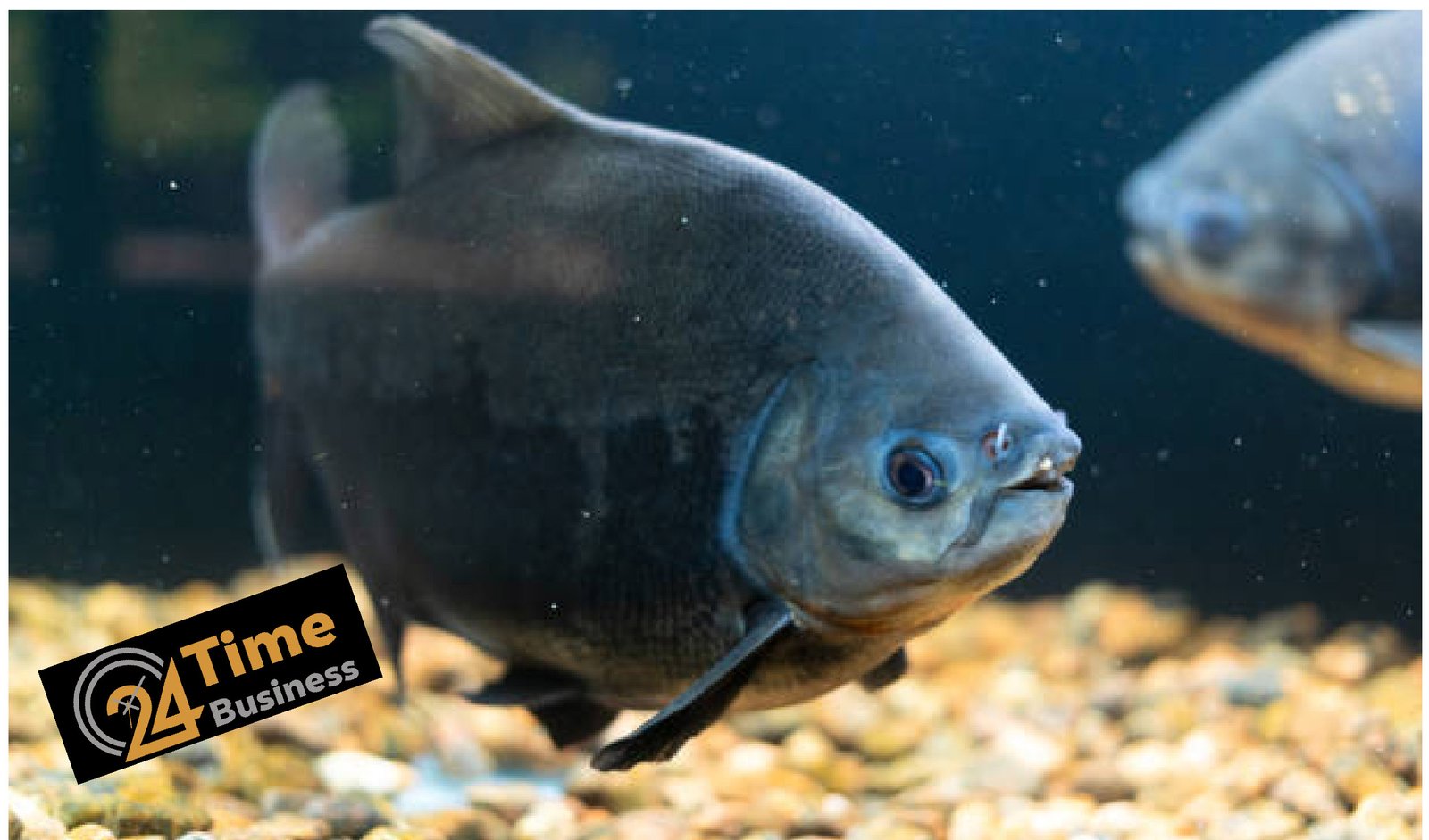
The term “piragnia” appears all over the internet, yet most people do not realize that it is not a real biological term. It shows up in blog articles, image captions, YouTube comments, and even auto-generated search snippets. This widespread usage creates confusion, especially for readers who believe they are learning about a real Amazon species. The core problem comes from a mix of misspellings, phonetic misunderstandings, and poorly sourced content that repeats the same error until it begins to look credible. As a result, “piragnia” becomes a misinformation loop: the more people search for it, the more websites show it, even though it does not exist scientifically.
This article aims to correct that confusion with verified data. By explaining the real meaning behind the term and exploring the actual biology of piranhas, readers can understand the truth instead of recycled myths. Google’s 2026 search system rewards articles that clarify misunderstood or incorrectly used terms, which makes this type of entity-correction content especially valuable. When a misleading term becomes common online, Google prefers accurate guides that explain the factual version behind the mistaken keyword. This article follows that approach by separating myth from verified science.
Bio Details: Piranha
| Category | Details |
|---|---|
| Correct Term | Piranha |
| Incorrect Term | Piragnia (common misspelling) |
| Scientific Family | Serrasalmidae |
| Order | Characiformes |
| Number of Verified Species | 60+ documented species |
| Most Known Species | Pygocentrus nattereri (Red-Bellied Piranha) |
| Habitat | Amazon Basin, Orinoco Basin, Paraguay–Paraná River System |
| Environment Type | Freshwater (slow rivers, floodplains, lakes, flooded forests) |
| Diet | Omnivorous – eats fish, insects, seeds, fruits, and carrion |
| Average Size | 15–30 cm; some species up to 50 cm |
| Bite Force | Strongest in black piranha species |
| Behavior | Mostly defensive; schools for protection |
| Danger Level | Low–moderate (mostly defensive bites under stress conditions) |
| Ecological Role | Seed dispersal, scavenging, population regulation |
| Scientific Databases Recognition | Piranha = Recognized; Piragnia = Not listed anywhere |
What Is Piragnia?
Piragnia is not a real fish, species, or scientific term. It does not appear in FishBase, the Catalog of Fishes, ITIS, or any official biological classification system. The word exists only as a mistaken form of the real word “piranha.” Most people encounter the term because it looks similar to the correct spelling, and because content creators who do not check sources repeat it across multiple platforms.
The reason “piragnia” continues to circulate is surprisingly simple: it sounds believable. Many users assume it is a regional name, alternate spelling, or lesser-known species. Search engines also reinforce this confusion when they try to match user intent, showing results for “piranha” even when the query is incorrect. Over time, this creates the illusion that “piragnia” is legitimate, even though it has no scientific recognition at all.
Why the Word “Piragnia” Exists – Linguistic and Cultural Roots
The confusion begins with the origin of the real word “piranha.” It comes from the Indigenous Tupi language spoken in the Amazon region. The word is formed from two Tupi parts: pira meaning “fish,” and anha meaning “tooth.” Together, they roughly translate to “toothed fish.” However, the “nh” sound in Tupi does not exist in standard English. English speakers unknowingly shift this sound into substitutes that feel more natural to them, such as “nia,” “gn,” or “gnia.”
Because of this phonetic mismatch, many variations of the word appeared over time—pirania, piragna, piragnia, piranah, and more. These variations became even more common through translation tools, speech-to-text systems, and non-English speakers trying to spell the word based on how it sounds. Social media spreads these variations even faster. As content gets copied across platforms, the incorrect form starts to feel normal. This is how linguistic evolution often creates false biological terms that never existed in scientific literature.
Piragnia vs Piranha – Clear Scientific Comparison
It is important to separate what is scientifically verified from what is not. “Piragnia” has no scientific basis. It is not listed as a species, it has no classification, and it has never been described by ichthyologists. In contrast, piranhas are a well-documented group of freshwater fish native to South America.
Real piranhas belong to the family Serrasalmidae, within the order Characiformes, and are closely related to pacus and silver dollar fish. The red-bellied piranha (Pygocentrus nattereri) is the most recognized species worldwide. Confusion between the two names persists because “piragnia” sounds close to “piranha,” but only one is real. The global spread of digital content, combined with low-quality articles repeating the same mistake, strengthened the illusion that both terms refer to different types of fish. Scientifically, however, only piranhas exist.
Verified Scientific Classification of Piranhas (The Real Animal)
To understand what people really mean when they say “piragnia,” it is necessary to look at the actual classification of piranhas. Piranhas belong to the family Serrasalmidae, which includes various carnivorous and omnivorous fish found in South America. They are part of the order Characiformes, which also includes tetras and other freshwater species.
Historically, piranhas were once grouped under the family Characidae, but taxonomists later moved them into Serrasalmidae after closer genetic and morphological studies revealed a clearer evolutionary relationship. Piranhas share many traits with pacus and silver dollar fish, including body shape and feeding behaviors. Scientists have identified more than 60 verified species of piranha, each with unique traits, sizes, and ecological roles. This classification is solid, peer-reviewed, and globally recognized—unlike “piragnia,” which has no standing in biology.
Natural Habitat of Piranhas – What Science Confirms
Piranhas are native to South America’s major river systems, including the Amazon Basin, Orinoco Basin, and the Paraguay–Paraná system. These fish thrive in warm, slow-moving freshwater environments filled with vegetation, branches, and natural hiding places. They prefer still or gently flowing water rather than fast rapids. Piranhas cannot survive in saltwater because their bodies are adapted to freshwater osmotic balance. During the rainy season, large areas of forest flood, creating temporary waterways and lakes known as várzea. Piranhas move into these flooded regions in search of food such as fruits, seeds, and smaller fish. This seasonal migration is a key part of their ecological behavior.
Common Myths About “Piragnia”
Because “piragnia” is treated as a mysterious, exotic species in some online spaces, several myths have formed around it. One myth claims that piragnia is a newly discovered predator found in remote Amazon areas. Another suggests it is more dangerous than piranhas. Some blogs even describe it as a rare species local people fear. All these claims are incorrect. “Piragnia” is not a biological term and does not refer to any recognized organism. Every myth about it originates from assumptions, guesswork, or SEO-driven articles that never consulted scientific sources. The verified reality is simple: the word is a misspelling, not a species.
Common Myths About Piranhas – Correcting Hollywood Narratives
Piranhas themselves suffer from heavy myth-making. Movies and folklore often show them as unstoppable killers, capable of reducing large animals to skeletons in seconds. These scenes are dramatic, but they have no scientific support. Another myth claims that piranhas constantly attack humans. In truth, such events are extremely rare and usually involve small nips, not life-threatening injuries. Another misconception is that piranhas hunt in coordinated packs like wolves. Studies show that piranha schools form for defense, not predation. Lastly, many people believe all piranhas are aggressive carnivores, but many species are primarily herbivorous or omnivorous. Verified scientific research exposes all these myths as exaggerations.
Real Piranha Behavior – What Studies Actually Show
Scientific studies reveal that piranhas are far more complex than the fear-based stories suggest. Most species are omnivores, regularly eating seeds, fruits, insects, small fish, and carrion. They are opportunistic feeders, meaning they eat what is available rather than hunting aggressively. Their schooling behavior is a defense mechanism that protects them from larger predators such as river dolphins and caimans. Environmental stress, especially during the dry season, can increase their defensiveness. Piranhas become more likely to bite when food is scarce or when they feel cornered. Documented human bites are almost always defensive or triggered by disrupted natural conditions. Under normal circumstances, piranhas avoid humans.
Verified Anatomy and Physical Characteristics
Piranhas have several distinct physical features that help scientists easily recognize them. Most species grow between 15 and 30 centimeters, although some individuals, especially black piranhas, can reach up to 50 centimeters under the right conditions. Their bodies are deep and laterally compressed, which allows them to make quick turns in murky or plant-filled water. This body shape is ideal for navigating flooded forests, dense vegetation, and shallow channels where visibility is low.
One of their most famous features is their triangular, interlocking teeth. These teeth are extremely sharp and perfectly aligned, giving piranhas a powerful bite. Their teeth are designed not only to slice flesh but also to crack seeds and break tough plant matter. In some species, like the black piranha, bite force has been measured at remarkably high levels for their size. This strong bite helps them survive in competitive environments where food can be difficult to access.
Their coloration varies by species. Some, like the red-bellied piranha, have bright orange or red undersides, while others are silver, grey, or nearly black. Their eyes are large relative to their bodies, helping them see in dark or sediment-heavy waters. Piranhas also rely on sensory adaptations, including a well-developed lateral line system, which allows them to detect vibrations and movement around them. These features make them effective survivors in dynamic river ecosystems.
Documented Origins of the Piranha Fear Myth
The global fear surrounding piranhas began in 1913 during former U.S. President Theodore Roosevelt’s expedition to Brazil. Roosevelt witnessed what appeared to be an extremely violent feeding frenzy. However, what people rarely know is that local villagers had intentionally trapped and starved the piranhas in a confined area before Roosevelt arrived. When a carcass was thrown into the water, the starving fish attacked it aggressively. Roosevelt described this in his book Through the Brazilian Wilderness, calling piranhas “the most ferocious fish in the world.” His words spread internationally and shaped public perception for decades. This single staged event became the foundation of the man-eating piranha myth.
Hollywood amplified the myth even further with films like Piranha (1978) and its later remakes. These movies portrayed piranhas as swarming, unstoppable creatures capable of killing humans instantly. These scenes were designed for entertainment, not scientific accuracy. Over time, the movie versions overshadowed real biological evidence and created a fear-based legend around the species.
What Science Actually Says About Piranha Danger Levels
Scientific research paints a very different picture from Hollywood stories. Verified studies show that piranhas rarely attack humans, and most cases involve only small bites. The majority of documented incidents occur under specific conditions, such as:
• Extremely low water levels during the dry season, when fish are trapped and food becomes scarce.
• Breeding season, when piranhas guard their nests and may defend their territory.
• Artificial feeding events, when humans or fishermen throw bait into the water, causing momentary excitement.
Under normal conditions, millions of people swim in piranha-inhabited rivers without harm. Local communities bathe, fish, and travel in these waters daily. Most piranha bites are defensive, not predatory. Scientists consistently emphasize that piranhas do not see humans as prey. Their behavior depends heavily on environmental stress, not natural aggression.
A practical risk assessment categorizes piranhas as low to moderate risk, similar to many other wild animals that may bite if provoked or threatened. They are not the deadly creatures pop culture often portrays.
Ecological Importance of Piranhas
Piranhas play a vital role in the ecosystems of South American rivers. They are not simply predators; they contribute to the environment in multiple ways. During the rainy season, many piranha species eat fruits and seeds that fall into the water. This feeding behavior helps with seed dispersal, allowing plants to spread across flooded forests.
As scavengers, piranhas also remove dead fish and animals from the water, preventing the spread of disease. Their presence helps maintain cleanliness in river systems. By feeding on weak or injured fish, they help regulate populations and maintain ecological balance. Additionally, piranhas act as indicator species. When water quality changes or pollution increases, piranha behavior and population levels often shift quickly. This makes them useful for researchers studying the health of freshwater environments. Without piranhas, river ecosystems would become less balanced and more vulnerable to disease and overpopulation.
Why the “Piragnia” Mistake Matters – SEO, Science, and Misinformation
At first glance, the term “piragnia” may seem like a harmless spelling error, but it has broader implications. When incorrect terms spread online, they create confusion in scientific communication, education, and research. Students, hobbyists, and curious readers may end up believing in a species that does not exist, which weakens public understanding of biology.
From an SEO perspective, the mistake matters because search engines attempt to answer every query—even incorrect ones. This creates opportunities for misleading content to rank well if no accurate information is available. Google now rewards articles that correct such misinformation by providing verified explanations and clarifying misunderstood terms. This difference between misinformation and guided clarification is essential. Misinformation spreads confusion and causes people to misunderstand biology. Clarification helps restore accuracy and improves public knowledge. This article serves as a guided clarification, ensuring readers get correct scientific information instead of myths.
How to Correctly Research Piranhas (Avoiding Piragnia Errors)
To avoid falling into misinformation loops, it is important to use the right research methods. Always begin by checking scientific taxonomic databases such as FishBase, ITIS, or the Catalog of Fishes. These sources list verified species and prevent confusion with terms that do not exist.
Avoid relying on image-only pages or low-quality websites without references. Many misleading posts circulate online because they copy from each other instead of using real scientific sources. Distinguish between folklore or pop-culture stories and actual biological facts. Hollywood scenes, social media jokes, and exaggerated captions are not reliable sources. Remember that repetition online does not guarantee accuracy. A false term repeated on many websites remains false. Cross-checking information helps ensure that the content you consume is scientifically correct and trustworthy.
What To Do If You Encounter Piranhas in the Wild
If you ever find yourself in waters where piranhas live, a few simple precautions can ensure safety. First, stay calm and avoid splashing, as sudden movements may attract curious fish. Do not feed wildlife, including piranhas; feeding can change their natural behavior and increase aggression.
Follow local advisories, as communities living near these rivers know seasonal patterns better than anyone. Avoid small or isolated pools during the dry season, when piranhas may become more defensive. In most cases, swimming in clear, open water is safe. Human behavior triggers most incidents, not piranha aggression. Understanding these guidelines helps visitors respect the ecosystem and enjoy the environment without unnecessary fear.
Conservation Status and Environmental Threats
Although piranhas as a whole are not considered endangered, their long-term survival depends heavily on the health of South America’s freshwater ecosystems. These rivers, floodplains, and wetlands face multiple threats that directly affect piranha populations. One of the biggest dangers is deforestation, especially in the Amazon Basin. When forests are cleared for agriculture, cattle ranching, or road construction, soil erosion increases and sediments flow into rivers. This reduces water quality and destroys breeding areas where piranhas lay eggs among submerged vegetation.
Another major threat is mercury pollution from illegal gold mining. Mercury leaks into rivers and accumulates in fish tissues, affecting their reproductive systems and overall health. Because piranhas occupy a mid-level position in the food chain, they are especially vulnerable to chemical buildup. Climate change also disrupts river patterns. Changes in rainfall, prolonged droughts, and unpredictable flooding cycles affect food availability and breeding seasons. Piranhas rely on seasonal flooding to access fruit and plant-based food; when floods fail, their diet and reproduction are impacted.
In some regions, overfishing adds additional pressure. Piranhas are caught for food, the aquarium trade, or local markets, sometimes at unsustainable rates. However, certain conservation initiatives in Brazil, Peru, and Colombia aim to create protected zones where fishing is limited and habitats are preserved. These efforts highlight the importance of maintaining natural river systems—not just for piranhas, but for thousands of species that depend on them.
Indigenous Cultural Perspectives on Piranhas
For Indigenous communities living along the Amazon and Orinoco rivers, piranhas are not monsters but respected members of the river ecosystem. They have lived alongside these fish for thousands of years and understand their behavior far better than popular media portrays. Many communities view piranhas as guardians of the river, symbolic of strength, protection, and natural balance. Their presence is seen as a reminder that nature always maintains its own rules. Historically, piranha teeth were used as tools for cutting, carving, and crafting. The sharp teeth retain their shape even after the fish dies, making them useful in daily life before metal tools were widely available. Indigenous tribes often incorporate piranhas into their stories and spiritual beliefs. Some legends describe them as guardians who punish wrongdoing, while others portray them as symbols of courage.
Indigenous knowledge also provides practical guidance on how humans should behave in piranha-inhabited waters. Local communities know which seasons, water levels, or locations pose higher risks and teach children how to interact with the river safely. This deep understanding corrects many foreign myths and offers a more balanced, respectful view of piranhas—one rooted in coexistence rather than fear.
Conclusion
After examining linguistic origins, scientific evidence, cultural perspectives, and ecological facts, the truth becomes clear: piragnia is not a real species. It is a common misspelling of “piranha,” repeated so often online that it created the illusion of being legitimate. The real animal behind the confusion—the piranha—is a scientifically verified freshwater fish with a complex ecological role and a long history of cultural misunderstanding. Piranhas are not the killers movie scenes suggest. Their behavior is shaped by environmental conditions, not uncontrollable aggression. They help keep river ecosystems healthy through scavenging, seed dispersal, and population control. Their importance extends far beyond the myths that overshadow them.
Correct terminology matters. Using accurate names protects scientific communication, strengthens public knowledge, and prevents misinformation from spreading. In today’s digital world, where a single misspelled word can mislead millions, articles that clarify and correct false terms are crucial. Understanding the real story behind “piragnia” not only sets the record straight but also deepens appreciation for the remarkable species that inspired it: the piranha.
FAQs About piragnia
1. Is piragnia a real fish species?
No. Piragnia is not a real fish species. It is a common misspelling or phonetic variation of “piranha,” and it does not appear in any scientific database such as FishBase or ITIS.
2. Why do people confuse piragnia with piranha?
People confuse the two because the word “piranha” comes from the Tupi language, where the “nh” sound has no English equivalent. This causes spelling variations like “piragnia” to spread on social media and low-quality websites.
3. Are piranhas dangerous to humans?
Piranhas are rarely dangerous to humans. Most bites occur only during dry seasons, breeding periods, or when fish feel threatened. Under normal conditions, people swim safely in piranha-inhabited rivers.
4. What does piragnia actually refer to?
The term piragnia refers to piranhas, the freshwater fish native to the Amazon and Orinoco river systems. It is not an alternate name; it is simply an incorrect spelling.
5. Why does Google show results for piragnia if it’s incorrect?
Google shows results for “piragnia” because it interprets user intent. Since most people searching for “piragnia” actually mean “piranha,” the algorithm redirects them to accurate information on the real species.
People See More: Barbara Jankowski: The Real Story of Brazil’s “Human Barbie” And Her Tragic Death

Who Is Tiffany Jonny Faatz? Name Origin And Surname History Explained

Don Baskin Net Worth Update: The Story Behind His Growing Wealth

Who Is Joanna Sterling Miller? Donald Sterling’s Daughter Explained

Roger Nores’ Role In Liam Payne’s Death: What You Need To Know

Who Is Otelia Cox? The Private Life Of Tony Cox’s Long-Time Partner

Who Is Ralph Macfadyen? The Model Son Of Matthew Macfadyen And Keeley Hawes Explained

Who Is Damian Schnabel? Inside The Life, Career, And Net Worth Of Amanda Redman’s Husband

James Corden’s $70 Million Net Worth Explained: TV Success, Carpool Karaoke & Investments

Sucker Punch: A Deep Dive Into Zack Snyder’s Visually Stunning Fantasy

Fin Affleck: The Teen Who Embraced Identity, Style, And Family Support

Who Is Dora Zbierlund? The Untold Story of Jeffrey Tambor’s Ex-Wife and 1980s TV Actress

Who Is Jonathan Tham? The Two Doctors Making A Difference Beyond Fame

Dounne Alexander: The Inspiring Herbalist Who Transformed Britain’s Natural Health Movement

Guy Willison Biography (2025): Age, Wife, Illness Update, Net Worth & Motorcycle Legacy

Meet Spencer McMillan: Life, Family, Art & Legacy Of Robbie Coltrane’s Eldest Child

Who Is Natasha Haye? Inside Her Marriage, 30-Second Divorce & Life After David Haye

Claire Le Marquand: Visionary Designer & Wife Of Mike Skinner

Marie Fargus: Her Life, Tragic Death & The True Story Behind The Victoria Tribute

What Is eTarget Limited? Why Its Name Appears On Royal Mail Parcels Explained

Mungo Denison: The Private Life, Career, And Love Story Of Charlotte Bellamy’s Husband
-
 Celebrity4 months ago
Who Is Dora Zbierlund? The Untold Story of Jeffrey Tambor’s Ex-Wife and 1980s TV Actress
-
 Biography4 months ago
Who Is Jonathan Tham? The Two Doctors Making A Difference Beyond Fame
-
 Celebrity4 months ago
Dounne Alexander: The Inspiring Herbalist Who Transformed Britain’s Natural Health Movement
-
 Celebrity3 months ago
Guy Willison Biography (2025): Age, Wife, Illness Update, Net Worth & Motorcycle Legacy